
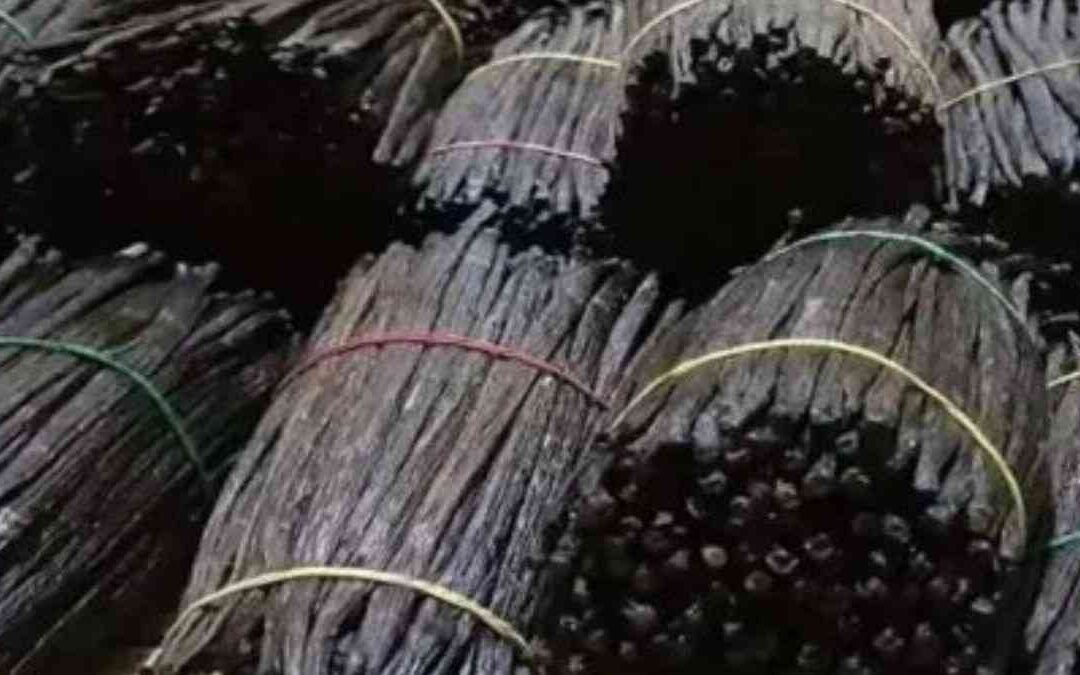
2026 Quality Standards: Identifying Premium Vanilla Grades and Industrial Specifications
Vanilla pods play a central role in the formulation of premium flavors for the global food industry, serving as a key ingredient for bakeries, beverage producers, and major manufacturers seeking authentic, aromatic results. Sourced primarily from regions such as East Africa and Madagascar, vanilla pods are synonymous with quality, traceability, and a supply chain built on transparency and sustainability.
Sourcing world-class agricultural commodities requires a supply chain partner that prioritizes quality control and transparent logistics. As a premier East African Agro-Trading Company, we connect industrial buyers in Europe and beyond with premium vanilla, coffee, and nuts, ensuring every shipment exceeds international export standards for 2026.
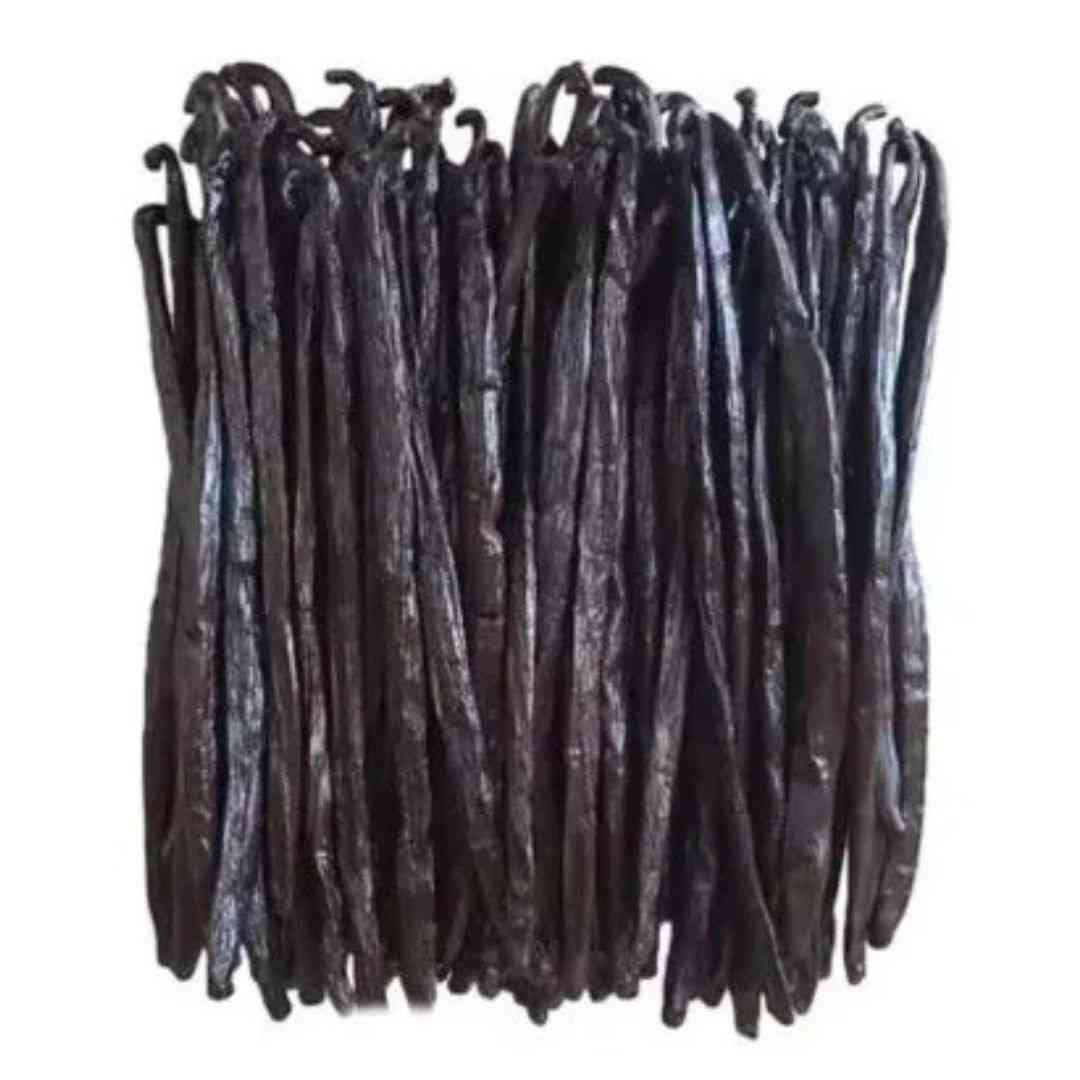
Directly sourced from the nutrient-rich volcanic soils of East Africa, our Grade A Bourbon-style vanilla pods represent the pinnacle of gourmet quality for the European culinary industry. Unlike mass-produced alternatives, these pods undergo a meticulous traditional curing process to achieve a minimum vanillin content of 1.8% and a lush, supple moisture profile of 30-35%. For artisanal bakers in France and industrial manufacturers in Germany, this translates to an unparalleled depth of aroma and a rich, creamy flavour profile that remains stable under high temperatures. By bypassing traditional intermediaries, we ensure that every vacuum-sealed batch arrives at European ports with full Phytosanitary certification and the unmistakable freshness of the latest harvest.
The market’s increasing demand for direct sourcing and certified quality has amplified the importance of supporting local farmers and ensuring every supply meets international standards. Wholesale buyers and food producers benefit tremendously from understanding how vanilla pod varieties, origins, and grades influence not just flavor but processing, compliance, and end product authenticity. Visagie Agro Trading Limited, based in East Africa, exemplifies industry leadership by offering certified agricultural products founded on transparency, ethical sourcing, and rigorous quality assurance.
Expertise in vanilla species selection, grading, and usage is vital for enterprises managing bulk procurement or integrating natural vanilla flavors into their products. This guide presents practical, product-focused insights for business clients aiming to enhance their vanilla-driven portfolios or streamline their purchasing from trusted, sustainability-driven suppliers. Please note that information provided here is for general guidance only; commercial production and allergen-related decisions should always be made in consultation with industry professionals.
Introduction to Vanilla Pods
Vanilla pods – sometimes referred to as vanilla beans – are the cured seed capsules of vanilla orchids, primarily Vanilla planifolia and Vanilla tahitensis. These long, dark, and slender pods are filled with thousands of minuscule seeds surrounded by a sticky, aromatic pulp, providing the concentrated flavor vanilla is revered for worldwide.
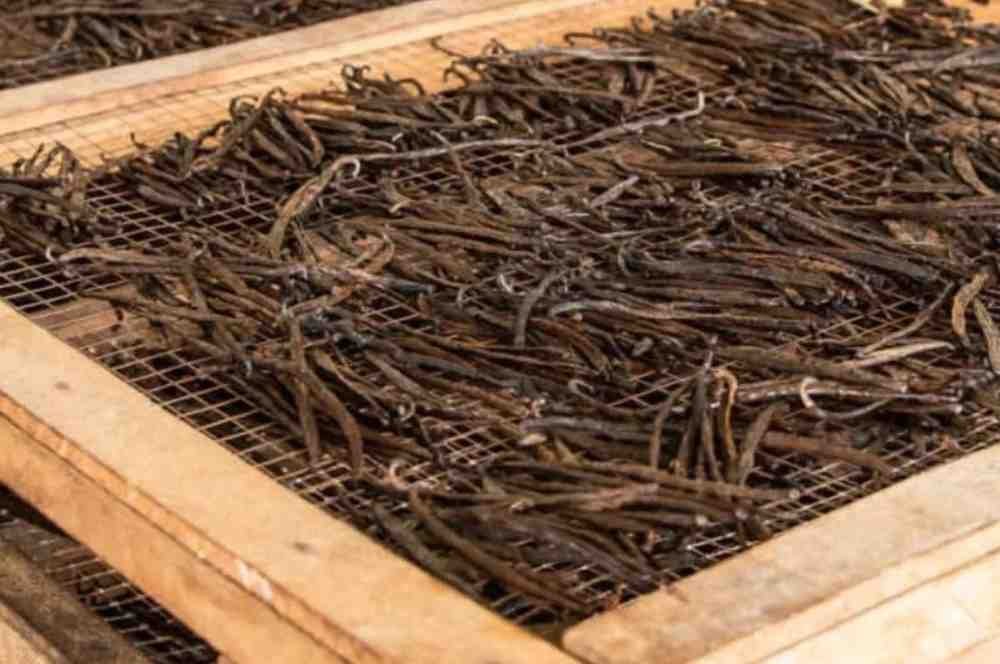
Cultivation and harvesting of vanilla pods require precise care. Farmers in Madagascar, Uganda, and across East Africa depend on hand-pollination, selective picking, and complex curing processes that can span several months. The diligence invested in these steps ensures the pods’ high aroma and flavor, highly valued by food manufacturers and specialty producers.
What Are Vanilla Pods?
- Cured fruits of Vanilla orchids, primarily planifolia and tahitensis.
- Contain tiny seeds and flavorful pulp rich in natural vanillin and aromatic compounds.
- Sourced from key regions, with established networks in East Africa and Madagascar.
- Used as a whole or processed into extracts and infusions.
Advantages of Using Whole Vanilla Pods Over Extracts
- Rich, natural aroma and complexity: Whole pods maintain the full spectrum of flavor compounds, exceeding what extracts provide.
- Visual authenticity: The seeds give desserts such as ice creams and custards visible vanilla flecks, a mark of true quality.
- Traceable sourcing: Buyers can visually inspect for quality and trace origin when procuring pods, supporting product transparency.
- Clean-label appeal: Pods support natural and organic claims desired in premium and artisanal markets.
- Versatile applications: Suitable for infusions, direct incorporation, extract preparations, and even flavoring sugars and salts.
Direct sourcing of vanilla pods supports both product differentiation and traceability for compliance-driven buyers. For a range of supply needs beyond vanilla, consider browsing East African agricultural products.
Main Types of Vanilla Pods
Choosing the right vanilla type is essential for matching flavor profiles with intended food and beverage applications. Key differences among species and origins influence end results, making knowledge of each type’s traits a critical part of procurement.
| Type | Flavor Profile | Pod Traits | Best Uses |
|---|---|---|---|
| Planifolia (Bourbon/Madagascar) | Buttery, creamy, classic | Long, slender, rich in seeds | Baking, ice cream, confectionery, general use |
| Tahitensis (Tahitian) | Fruity, floral, subtle cherry/anise | Shorter, plumper, moist | Pastries, floral desserts, premium infusions |
| Pompona | Woody, floral, light fruit | Large, thick, fewer seeds | Perfumery, specialty foods |
| Indonesian | Woody, smoky, earthy, chocolate | Varies: drier, robust | Heat-stable baked goods, chocolates |
| Ugandan | Bold vanillin, raisin, fig, chocolate | Oily, aromatic | Rich desserts, ice cream, dark chocolate |
| Mexican | Spicy, deep, cocoa notes | Medium, flexible pods | Chocolates, sauces, beverages |
Vanilla Planifolia (Bourbon/Madagascar) – Classic Buttery and Rich Flavor
- Dominates the global vanilla trade.
- Grown extensively in Madagascar, Uganda, and other East African regions.
- Presents a classic, creamy vanilla flavor with soft caramel undertones.
- Long, slender pods with a rich, oily surface, well suited for a range of applications.
- Considered the most adaptable variety for industrial food production and direct culinary use.
Vanilla Tahitensis (Tahitian) – Fruity and Floral Profile
- Native to French Polynesia, with select cultivation in Papua New Guinea and emerging projects in East Africa.
- Characterized by aromatic, sweet, and floral notes, often described as cherry or anise.
- Pods are shorter, plumper, and highly moist.
- Frequently used in fruit preserves, upscale desserts, and delicate confections where aromatic complexity is prized.
Vanilla Pompona and Other Varieties (Including Ugandan, Mexican, Indonesian)
- Pompona: Rare, large pods with a woodier profile used in fragrances and select specialty applications.
- Ugandan: Known for its high vanillin levels and distinctive chocolate and fig notes, it is increasingly popular for robust-flavored desserts and premium chocolates. Sourcing supports local agricultural development and sustainability.
- Indonesian: Features earthy, spicy, and woody flavors, often used in processes requiring heat stability and strong cocoa pairings.
- Mexican: The original vanilla cultivar, recognized for its spicy, deep, and complex tones, perfectly matched with chocolate beverages and culinary sauces.
Emerging varieties – such as hybrids from Papua New Guinea – signal dynamic sourcing trends but currently occupy niche positions among global traders.
Understanding Vanilla Pod Grades
Grading plays a pivotal role in selecting vanilla pods for wholesale and food production. The primary grades – A and B – are based on physical condition, moisture content, and intended use.
| Grade A (Gourmet/Prime) | Grade B (Extract/Industrial) | |
|---|---|---|
| Appearance | Plump, dark, oily, unblemished | Thinner, drier, may have splits/imperfections |
| Moisture | 25–35% | 15–25% |
| Aroma | Full and pronounced | Strong, though slightly muted |
| Best Uses | Visible desserts, culinary finishing | Extraction, industrial flavoring |
| Shelf Life | Moderate (moisture shortens life) | Extended (drier beans last longer) |
| Price | Higher – driven by appearance and moisture | Lower – intended for volume applications |
Grade A vs. Grade B Pods
Grade A vanilla pods are premium, suited for direct culinary use where high moisture content, visual integrity, and a glossy finish are important. These pods are favored for products where the pod or seeds will be seen, such as gourmet desserts, baked goods, and high-end chocolates.
Grade B vanilla pods are selected for their strong flavor and aroma, but physical appearance is less critical. They are ideal for bulk extract production, infusions, or powdering, providing an efficient and cost-effective source of vanilla flavor in large-scale manufacturing.
- Grade A delivers exceptional flavor release and presentation.
- Grade B ensures robust, concentrated extraction suited for industrial use.
Sourcing partners like Visagie Agro Trading Limited rigorously maintain strict quality assurance and certifications, ensuring consistent standards and legal compliance for both grades.
Flavor Profiles and Pairing Suggestions
Flavor Characteristics of Each Vanilla Type
- Planifolia (Bourbon/Madagascar): Creamy, buttery, with caramel undertones; perfect for versatile applications.
- Tahitensis (Tahitian): Bright, floral, and slightly fruity – adds delicate nuance to light desserts.
- Pompona: Woody, mild sweetness – a niche option for specialty items.
- Indonesian: Woody and earthy, sometimes smoky; best with chocolates and bold spices.
- Ugandan: Deep, chocolate-raisin flavors – excellent for dark chocolate and dairy-based creations.
- Mexican: Spicy, subtle cocoa notes – popular in sauces and beverages.
Pairing Vanilla Pods with Various Ingredients and Products
- Dairy: Milk, cream, and cheese enhance and carry vanilla’s natural aroma (used in ice cream, panna cotta, yogurt).
- Chocolate: Pods amplify complexity and depth in truffles, ganache, and chocolate bars.
- Fruit: Berries, citrus, and tropical fruits are elevated by vanilla’s sweetness in jams, mousses, and pastries.
- Spices: Blends harmoniously with cinnamon, nutmeg, cardamom, and clove in spiced desserts and syrups.
- Coffee: Infused in Arabica blends or cold brews to produce signature beverages.
- Savory: Enhances seafood, poultry, or vegetable dishes for contemporary gastronomy.
For buyers with a focus on transparency and sustainability, incorporating organic agricultural commodities aligns with ethical standards and traceable sourcing for superior product differentiation.
Selecting, Storing, and Using Vanilla Pods Effectively
A successful vanilla program begins with informed selection, proper storage, and optimal usage practices that preserve aroma, ensure food safety, and protect investment.
Tips for Selecting High-Quality Vanilla Pods
Checklist for selecting premium pods:
- Pods are flexible and moist, never brittle or overly dry.
- Surfaces should be oily with deep, uniform coloration – typically rich brown to black.
- Aroma should be sweet, full, and inviting when unsealed.
- Pods generally measure 14–18 cm (for Grade A).
- Free from visible mildew or major blemishes.
Building relationships with East African farmers supports live quality checks and verification of ethical sourcing practices.
Proper Storage Techniques to Preserve Freshness and Potency
Checklist for bulk and retail buyers:
- Store in airtight, food-grade packaging.
- Keep in a cool, dry, and shaded environment.
- Avoid refrigeration except for vacuum-sealed units – standard refrigeration may cause condensation and mold.
- For commercial storage: Vacuum-sealed containers maintain aroma and color up to two to three years.
- Inspect stock regularly for dryness, odors, or signs of spoilage; rotate inventory for best results.
Extracting and Using Vanilla Pods in Culinary and Beverage Applications
To extract maximum flavor:
- Use a sharp, non-serrated knife to split the pod lengthwise.
- Scrape seeds and pulp; add directly to batters, creams, or sugar mixes.
- Drop the entire pod into simmering liquids (milk, cream, syrups) for 10–20 minutes, then remove.
- For extract: Submerge chopped pods in neutral alcohol (35–40% ABV) and store 6–12 months before use.
- Spent pods can still be repurposed for vanilla sugar, salt, or as infusion sticks in storage jars.
Regular safety audits and adherence to best practices are advised, especially for high-volume production.
Common Uses of Vanilla Pods in Food and Beverage Production
Baking and Dessert Applications
- Custards, crème brûlée, and panna cotta where the seeds’ flecks enhance presentation.
- Cakes, cookies, and fine pastries.
- Ice creams, gelatos, and semifreddo.
- Chocolate confections and candies.
- High-end bakery fillings and sauces.
Infusions and Homemade Extract Preparation
- Flavoring of coffee creams, cocktail syrups, and tea blends.
- Production of homemade vanilla extract, tinctures, and specialty beverage flavors.
- Marinades for seafood, poultry, and exotic meats.
- Creation of vanilla sugar or salt for retail or kitchen use.
- Dairy beverages or vegan milk alternatives for added richness.
A clear advantage for wholesale buyers and culinary producers lies in securing bulk orders with transparent documentation, allowing for smooth inventory and cost management. Streamlined ordering is available at premium grade vanilla pods supply, supporting both boutique and high-volume operations.
Frequently Asked Questions (FAQs) About Vanilla Pods
What is the difference between vanilla pods, beans, and extracts?
Vanilla pods and beans are names for the same whole, cured fruit of the vanilla orchid. Extracts are liquid solutions created by steeping chopped vanilla beans (often Grade B) in alcohol, allowing for convenient dosing of vanilla flavor in recipes.
Which vanilla pod type suits beginners or bulk buyers?
Planifolia (Bourbon/Madagascar) is the most accessible and adaptable option for newcomers and large-volume buyers thanks to its well-known profile and broad compatibility.
Does Grade A or B impact flavor quality?
Both grades offer intense vanilla flavor. Grade A pods bring higher moisture and attractive appearance for visible dishes, while Grade B is a cost-effective powerhouse for industrial flavor extraction.
How to store vanilla pods for maximum shelf life?
Store in airtight, non-reactive containers, away from direct heat and moisture. Bulk buyers benefit from vacuum-sealing, which extends shelf life up to three years.
Can extracted vanilla pods be reused?
Yes. Spent pods, after extracting the seeds or infusing liquids, can be cleaned and air-dried, then used to flavor sugar, syrups, or infused in storage containers.
How do Tahitian and Madagascan vanilla flavors differ?
Tahitian vanilla (tahitensis) is renowned for floral and fruity notes, suiting light desserts and aromatic pastries. Madagascan vanilla (planifolia) features classic creamy richness, ideal for all-purpose culinary use.
What quantity of vanilla extract equals one pod?
Generally, one vanilla pod is equivalent to one tablespoon of pure vanilla extract. Actual potency varies based on extraction time and pod size.
Are there emerging varieties in the vanilla market?
Yes. Growers in regions such as Papua New Guinea and parts of East Africa are developing new hybrids, while Ugandan vanilla stands out for sustainability and its signature robust, fruity profile.
Purchasing Guidance and Supplier Recommendations
Selecting a vanilla pod variety should be based on product goals, from the traditional creaminess of Planifolia for mainstay desserts to the subtle floral shine of Tahitensis or the robust Ugandan pod for distinguishing contemporary products. The grade (A or B) should align with whether your production values visual excellence or extraction efficiency.
Working with suppliers like Visagie Agro Trading Limited means access to a transparent network built on certification, traceability, and support for sustainable agricultural practices. The supply chain focuses on supporting East African farmers, delivering fast, verified logistics, and maintaining consistent quality assurance.
For business clients who require reliable, traceable vanilla for culinary or industrial use, visit premium grade vanilla pods supply for adaptable procurement options and details on compliance standards. Trusted suppliers prioritize both consistent quality and ethical production, echoing Visagie Agro Trading Limited’s commitment to sustainable agriculture and providing a foundation for commercial success far beyond vanilla – across a full range of responsibly sourced agricultural ingredients.